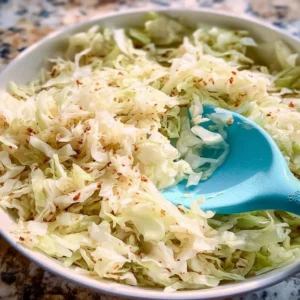
Fermented cabbage, commonly known as sauerkraut, is a tangy and nutritious dish that has gained popularity for its numerous health benefits. Packed with probiotics, vitamins, and minerals, this traditional German delicacy not only adds flavor to meals but also supports gut health. Making your own fermented cabbage at home is surprisingly simple and requires minimal ingredients. In the following sections, we’ll break down the necessary components and guide you through each step of the process to create your very own sauerkraut.
Ingredient Breakdown
Cabbage
Cabbage is the star ingredient in this recipe. You will need one medium head of green cabbage (about 2 to 3 pounds). This vegetable is rich in vitamins C and K, making it a nutritious base for your sauerkraut.
Salt
Use non-iodized salt, preferably sea salt or kosher salt, which enhances fermentation while keeping harmful bacteria at bay. You will require about 3 tablespoons of salt for every 5 pounds of cabbage. Salt helps draw out moisture from the cabbage and encourages good bacteria growth.
Optional Seasonings
While not essential, you can add various spices to enhance flavor. Caraway seeds or juniper berries are popular choices; use about 1 teaspoon of either per batch if desired. These add an aromatic touch that complements the sourness of the fermented cabbage.
Step By Step Recipe: Fermented Cabbage (Sauerkraut)
Step 1: Prepare the Cabbage
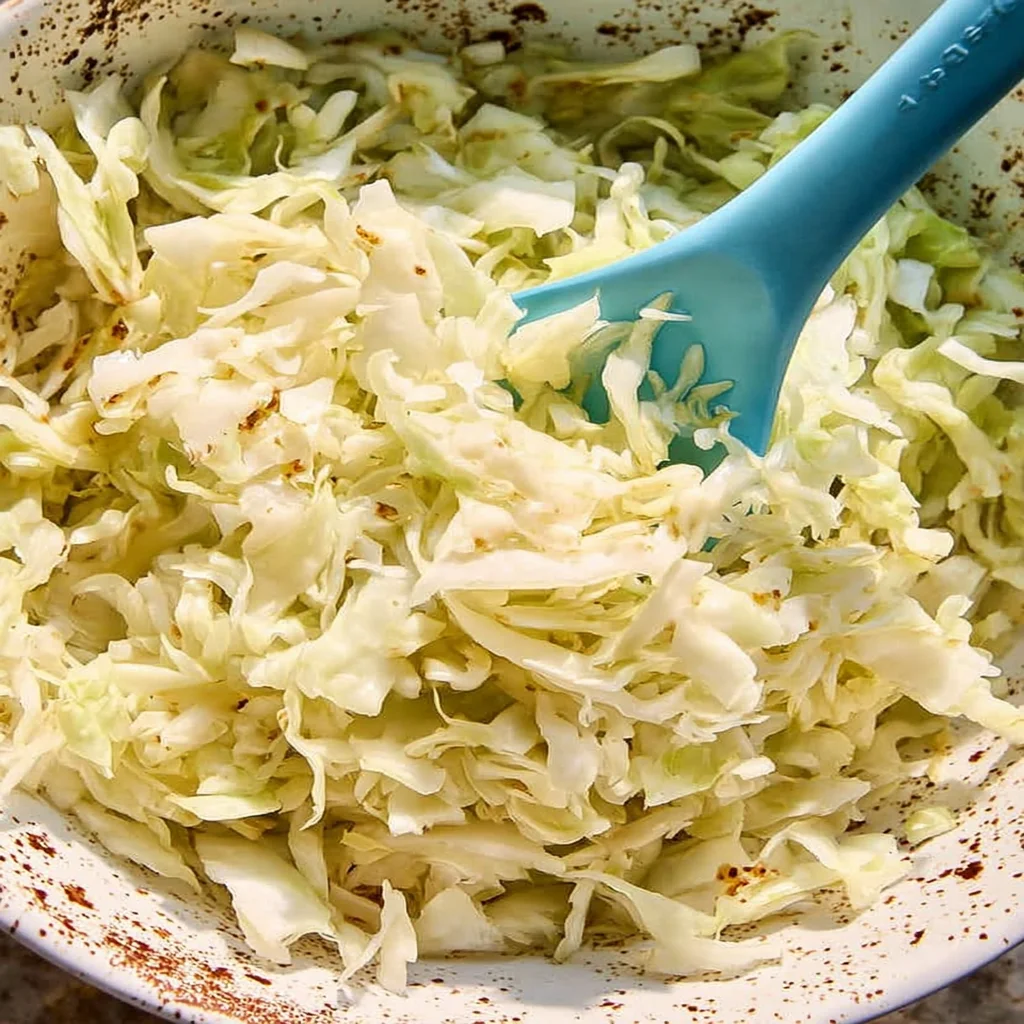
Begin by removing any outer leaves from the cabbage and discarding them. Cut the cabbage into quarters and remove the core. Then slice each quarter into thin shreds using a sharp knife or mandoline slicer. Aim for uniform pieces as they will ferment evenly.
Step 2: Mix with Salt
Place the shredded cabbage in a large mixing bowl and sprinkle it with salt. Using clean hands, massage the salt into the cabbage for about 5-10 minutes until it becomes soft and releases liquid. This brine is crucial for the fermentation process as it creates an anaerobic environment.
Step 3: Pack into a Jar
Transfer the salted cabbage into a clean glass jar or fermentation crock. Press down firmly to eliminate any air pockets and ensure that the liquid covers the cabbage completely. Leave about an inch of space at the top of your container to allow for expansion during fermentation.
Step 4: Add Weights
To keep the cabbage submerged under its brine, place a weight on top if using a jar or cover with a clean cloth secured by a rubber band if using a crock. This prevents exposure to air which can lead to spoilage.
Step 5: Ferment
Store your packed jar in a cool, dark place away from direct sunlight for approximately 1-4 weeks depending on your taste preference. Check regularly for bubbles and adjust as needed; taste after one week to see if it’s sour enough for you.
Step 6: Store
Once your sauerkraut reaches your desired level of sourness, transfer it to smaller jars with tight-fitting lids and refrigerate immediately. The cold temperature slows down fermentation but allows flavors to develop further over time.
Serving and Storing Tips
Serving Suggestions
Serve your homemade fermented cabbage alongside sausages, on sandwiches, or as part of salads for added crunch and flavor. It pairs well with richer dishes due to its tangy profile which balances heavy flavors beautifully.
Storing Sauerkraut
Keep your sauerkraut stored in airtight containers in the refrigerator where it can last for several months due to its acidic nature which preserves it effectively over time. Always use clean utensils when serving to avoid contamination.
Enjoy this delightful homemade fermented cabbage (sauerkraut) as part of your meals while reaping its health benefits!
Mistakes to avoid
One common mistake when making fermented cabbage (sauerkraut) is not using the right type of cabbage. Always opt for fresh, firm heads of green or purple cabbage. Avoid wilted or old cabbage, as it can affect the fermentation process and flavor.
Another frequent error is neglecting to wash your equipment. Clean jars, utensils, and surfaces help prevent unwanted bacteria from interfering with fermentation. Always use hot, soapy water and rinse thoroughly to maintain a sanitary environment.
Additionally, over-salting or under-salting can ruin your sauerkraut. The ideal salt concentration is typically around 2-3% of the total weight of the cabbage. Too much salt can hinder fermentation, while too little can lead to spoilage and undesired textures.
Failing to pack the cabbage tightly is another misstep. Properly packing ensures that the cabbage is submerged in its brine during fermentation. This prevents exposure to air, which can lead to mold growth and spoilage.
Lastly, overlooking temperature control can negatively impact your sauerkraut. Fermentation thrives at temperatures between 65°F and 75°F (18°C – 24°C). Keeping your batch in a warm area helps speed up the fermentation process while ensuring it remains safe.
Tips and tricks
For successful fermented cabbage (sauerkraut), start by shredding the cabbage into uniform pieces. This helps create a consistent brine and allows for even fermentation. Using a sharp knife or mandoline will ensure clean cuts that release juices more effectively.
Consider using a fermentation weight or a jar filled with water to keep the cabbage submerged under its liquid during the fermentation process. This method prevents exposure to air, reducing the risk of mold formation on top of your sauerkraut.
Taste-test your sauerkraut as it ferments. Begin checking around one week into the process. Depending on your taste preference, you may want to ferment it longer for a tangier flavor or shorter for a milder taste.
Be patient! The fermentation process takes time, often ranging from one week to several weeks depending on temperature and desired sourness. It’s crucial not to rush this step; good things come to those who wait!
Finally, store your fermented cabbage (sauerkraut) in airtight containers in the refrigerator once it reaches your desired flavor profile. This slows down further fermentation and preserves its taste for an extended period.
Suggestions for Fermented Cabbage (Sauerkraut)
Add spices like caraway seeds or juniper berries when fermenting your cabbage for an extra flavor boost. Both spices enhance the natural flavors of fermented cabbage (sauerkraut) while adding an aromatic touch that elevates each bite.
Incorporating vegetables such as shredded carrots or radishes can also diversify flavors and textures in your sauerkraut. Experimenting with different vegetables allows you to create unique combinations that cater to your personal palate preferences.
Try different types of salt like kosher or sea salt instead of table salt for better results. These salts have larger crystals which dissolve more evenly in water and contribute essential minerals that aid in healthy fermentation processes.
Consider using flavored brines made from apple cider vinegar or beet juice if you want vibrant color variations in your sauerkraut. Not only does this add visual appeal, but it also provides additional health benefits from these ingredients.
Lastly, pair your fermented cabbage (sauerkraut) with various dishes like sausages, sandwiches, or salads for added zestiness and crunch. Its versatility makes it an excellent accompaniment for many meals while boosting their nutritional value.
FAQs
What is fermented cabbage (sauerkraut)?
Fermented cabbage (sauerkraut) is finely shredded raw cabbage that undergoes lacto-fermentation through the action of beneficial bacteria present in the environment. This simple preservation method enhances its flavor while increasing its nutritional value by adding probiotics beneficial for gut health.
How long does it take to make fermented cabbage (sauerkraut)?
The time required to make fermented cabbage (sauerkraut) varies based on environmental conditions like temperature and desired tartness. Generally, it takes about one week at room temperature for initial fermentation but can continue for several weeks if you prefer a stronger flavor profile.
Can I use other vegetables besides cabbage?
Certainly! While fermented cabbage is traditional, you can experiment with various vegetables like carrots, radishes, or beets combined with shredded cabbage for exciting new flavors and textures while maintaining health benefits associated with fermentation.
How should I store my finished sauerkraut?
Once fermented to your liking, transfer freshly made sauerkraut into clean glass jars with airtight lids. Store them in the refrigerator where they will last several months while slowing down any further fermentation processes without compromising quality or taste.
Is homemade fermented cabbage healthier than store-bought?
Homemade fermented cabbage (sauerkraut) tends to contain more live probiotics compared to most store-bought versions due to minimal processing methods used during preparation at home—resulting in enhanced digestive benefits alongside authentic flavor profiles tailored by individual preferences.
Can I use vinegar instead of salt when making sauerkraut?
No; vinegar cannot replace salt in traditional sauerkraut making since salt plays an essential role in drawing out moisture from cabbages while supporting beneficial bacterial growth necessary for proper lacto-fermentation—vinegar may alter expected textures significantly too!
Summary
Making delicious fermented cabbage (sauerkraut) requires attention to detail and patience but offers numerous health benefits along with vibrant flavors! Avoid common mistakes such as improper salting techniques or neglecting cleanliness throughout preparation stages. Use helpful tips like tasting regularly during fermentations along with creative suggestions involving spices or additional vegetables when crafting unique batches tailored just for you! Enjoy learning how easy it can be—and savor every bite!
Print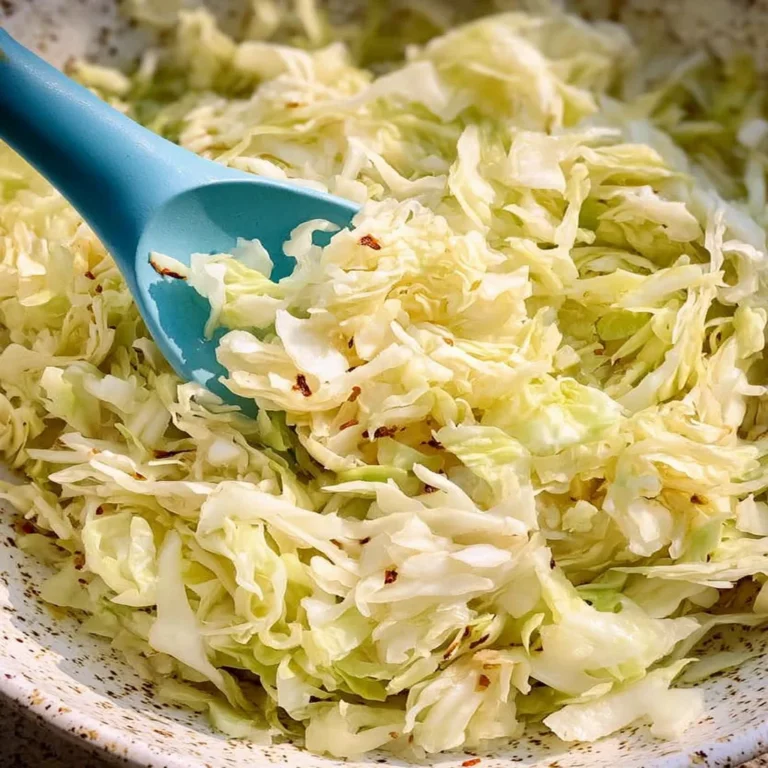
Fermented Cabbage (Sauerkraut)
Enjoy the tangy flavor and health benefits of homemade sauerkraut. This simple fermented cabbage recipe is a great way to preserve cabbage and improve digestion.
- Total Time: 15 minutes
- Yield: 4 cups 1x
Ingredients
1 medium head of green cabbage (about 2–3 lbs)
1 tablespoon of sea salt
(Optional) caraway seeds, juniper berries, or other spices for flavor
Instructions
1. Remove any damaged outer leaves from the cabbage and set aside.
2. Cut the cabbage into quarters, remove the core, and slice it thinly.
3. Place the sliced cabbage in a large mixing bowl and sprinkle with sea salt.
4. Massage the cabbage with your hands for about 5-10 minutes until it starts to release its juices.
5. If using spices, mix them in at this stage.
6. Pack the cabbage tightly into a clean glass jar or fermentation crock, pressing down to ensure the liquid covers the cabbage completely. Leave some space at the top for expansion during fermentation.
7. Place a weight on top of the cabbage if needed to keep it submerged under its brine.
8. Seal with a lid or cover with a cloth and secure it with a rubber band.
9. Let it sit at room temperature (ideally around 65°F to 75°F) for about 1-4 weeks, checking periodically to ensure it’s submerged and tasting to find your preferred level of fermentation.
10. Once fermented to your liking, transfer to the refrigerator to slow down fermentation.
Notes
Fermentation times can vary based on temperature and personal taste preference; taste regularly during the process.
- Prep Time: 15 minutes
- Cook Time: 0 minutes
Nutrition
- Serving Size: 1/2 cup
- Calories: 20
- Sugar: 1g
- Fat: 0g
- Carbohydrates: 5g
- Protein: 1g
Keywords: fermented, cabbage, sauerkraut, probiotic, recipe